Alpha-gal syndrome (AGS) is a unique and increasingly recognized allergic condition that develops after a tick bite. Unlike most food allergies that cause immediate reactions, alpha-gal syndrome triggers delayed allergic reactions—typically occurring 3-6 hours after consuming red meat or other products containing alpha-gal sugar molecules.
Alpha-gal Syndrome by the Numbers
Sources: CDC, American College of Gastroenterology, 2022 Healthcare Provider Survey
New to Alpha-gal Club?
Join our community to connect with others, share experiences, and discover safe recipes and restaurant recommendations.
The 6-Step Process
Understanding how a tick bite leads to alpha-gal syndrome helps with prevention, early recognition, and proper management.
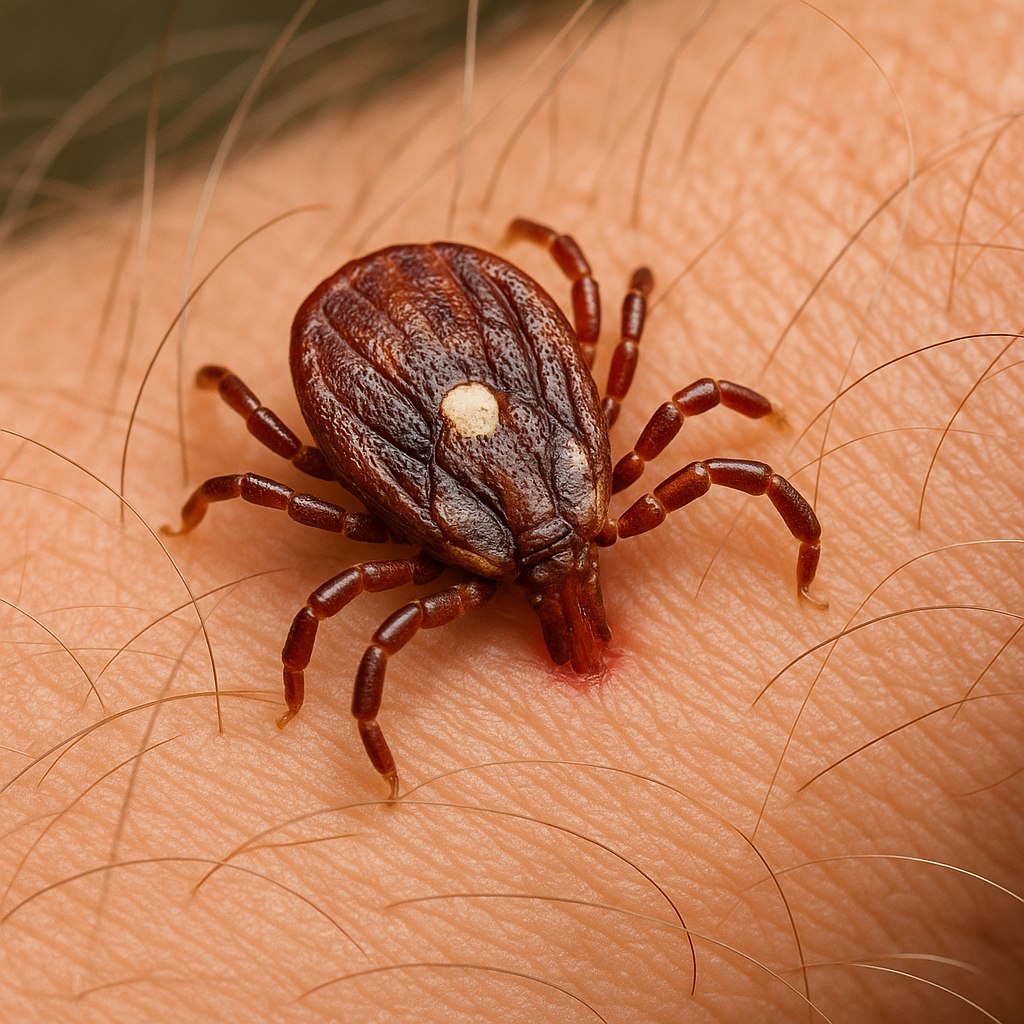
The Tick Bite
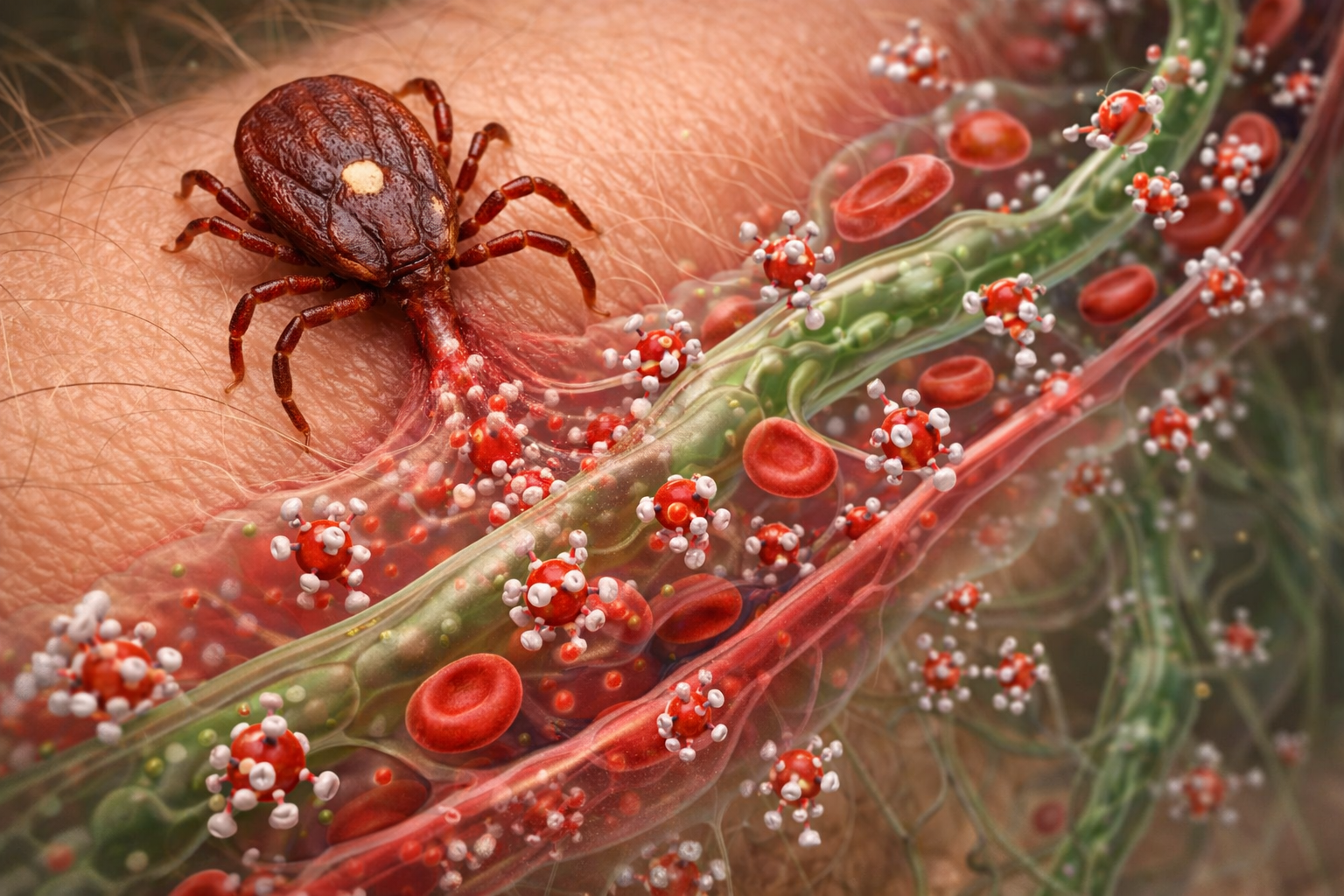
A Lone Star tick attaches to human skin and begins feeding. During this process, the tick injects its saliva into the bloodstream.
What Gets Transferred
- Alpha-gal molecules from previous mammal feedings
- Anticoagulants to prevent blood clotting
- Anesthetic compounds to make the bite less noticeable
Alpha-gal Enters the Body
The alpha-gal molecules from the tick's saliva enter the bloodstream and lymphatic system, circulating throughout the body.
Key Facts About Alpha-gal
- Found in mammals: Cows, pigs, sheep, deer
- Not in humans: Primates don't produce alpha-gal
- Sugar molecule: Galactose-α-1,3-galactose
Immune System Recognition
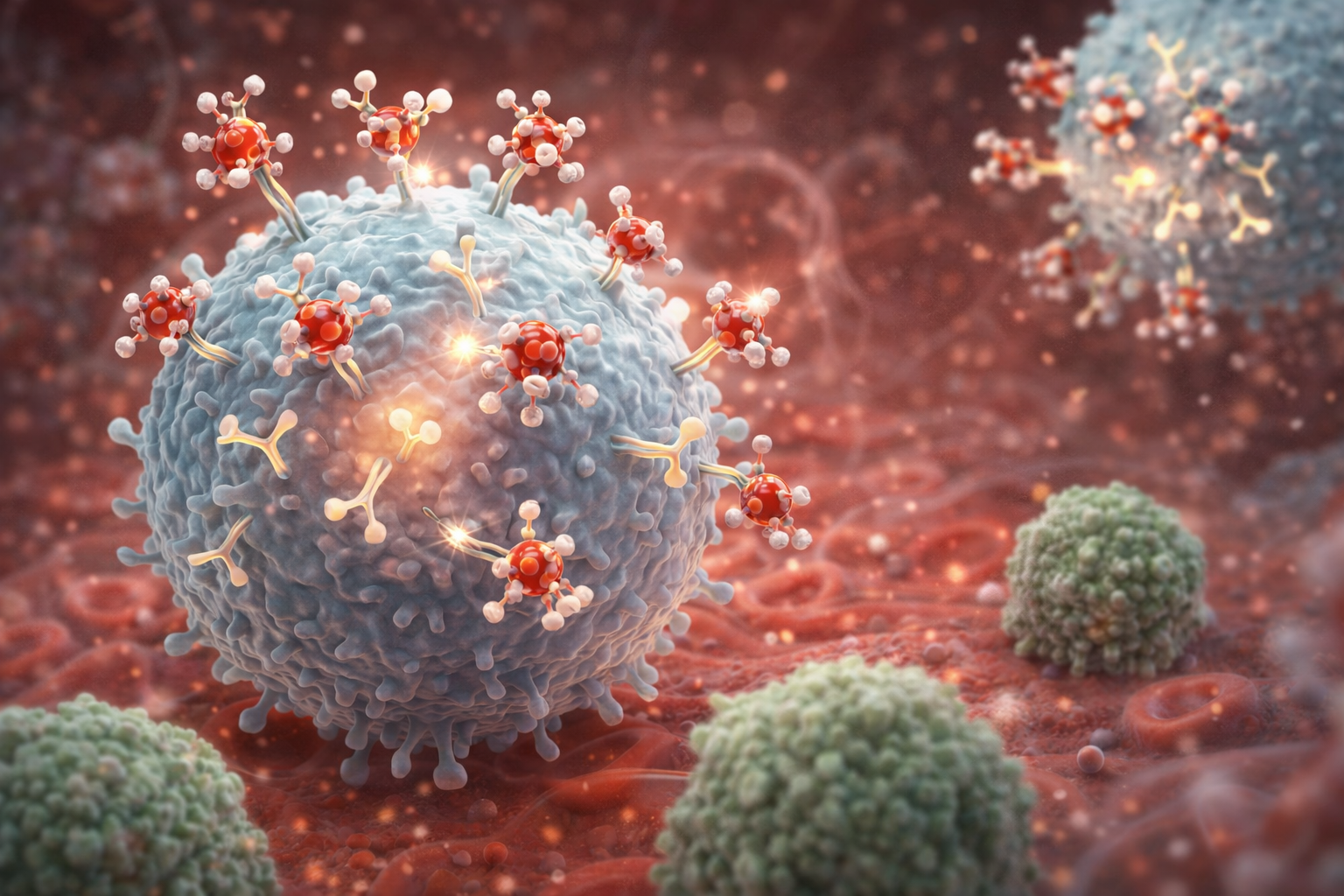
The immune system detects alpha-gal as a foreign substance. Specialized immune cells (B cells) recognize the molecules and begin preparing a response.
The Immune Response Begins
- Antigen presentation: Immune cells process alpha-gal
- B cell activation: Antibody production begins
- Genetic factors: Not everyone becomes sensitized
IgE Antibody Production
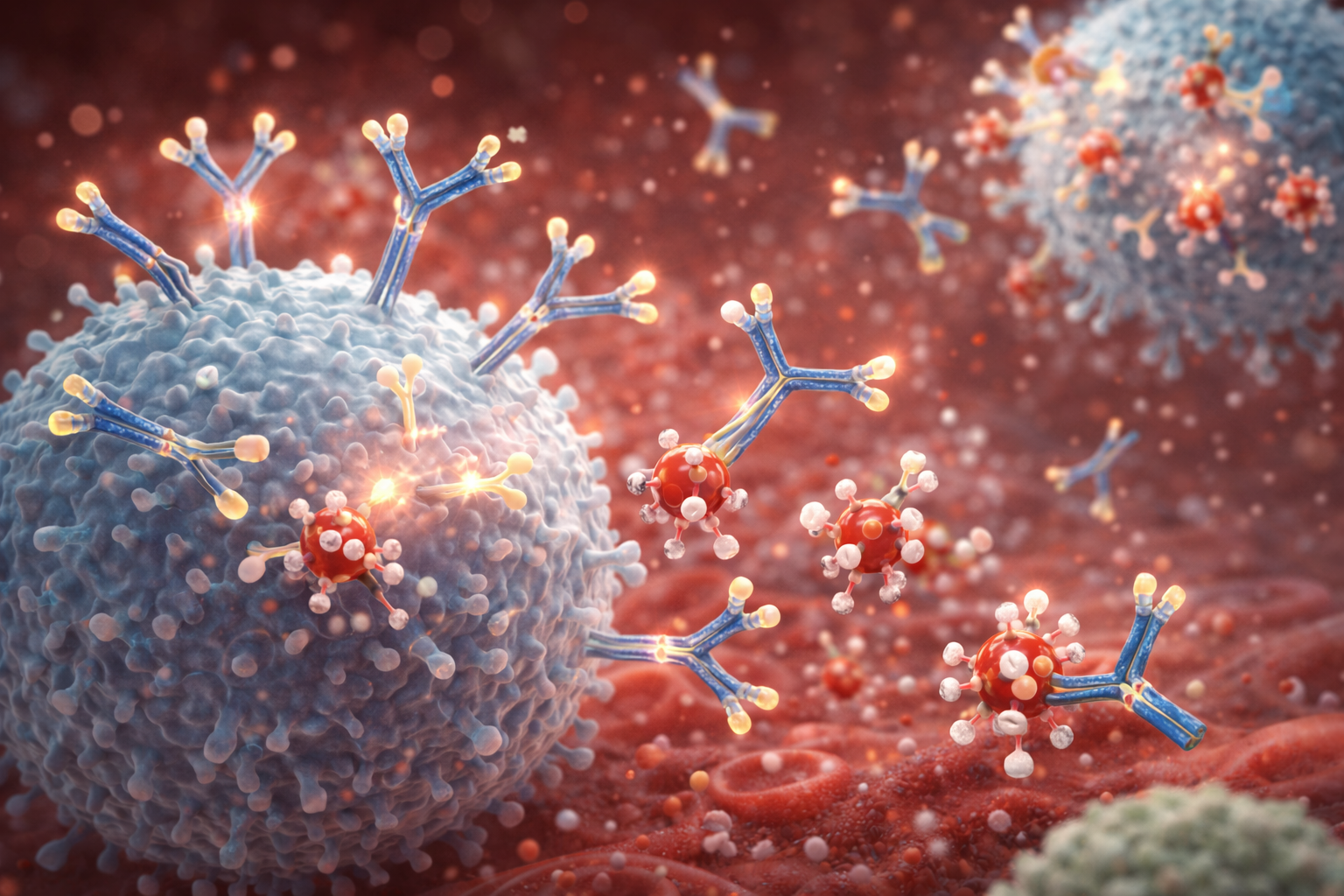
B cells produce immunoglobulin E (IgE) antibodies specifically designed to recognize and bind to alpha-gal molecules. This is called sensitization.
Sensitization Process
- IgE antibodies: Target alpha-gal specifically
- Memory cells: "Remember" alpha-gal for future
- No symptoms yet: Allergic symptoms come later
Future Exposure to Alpha-gal
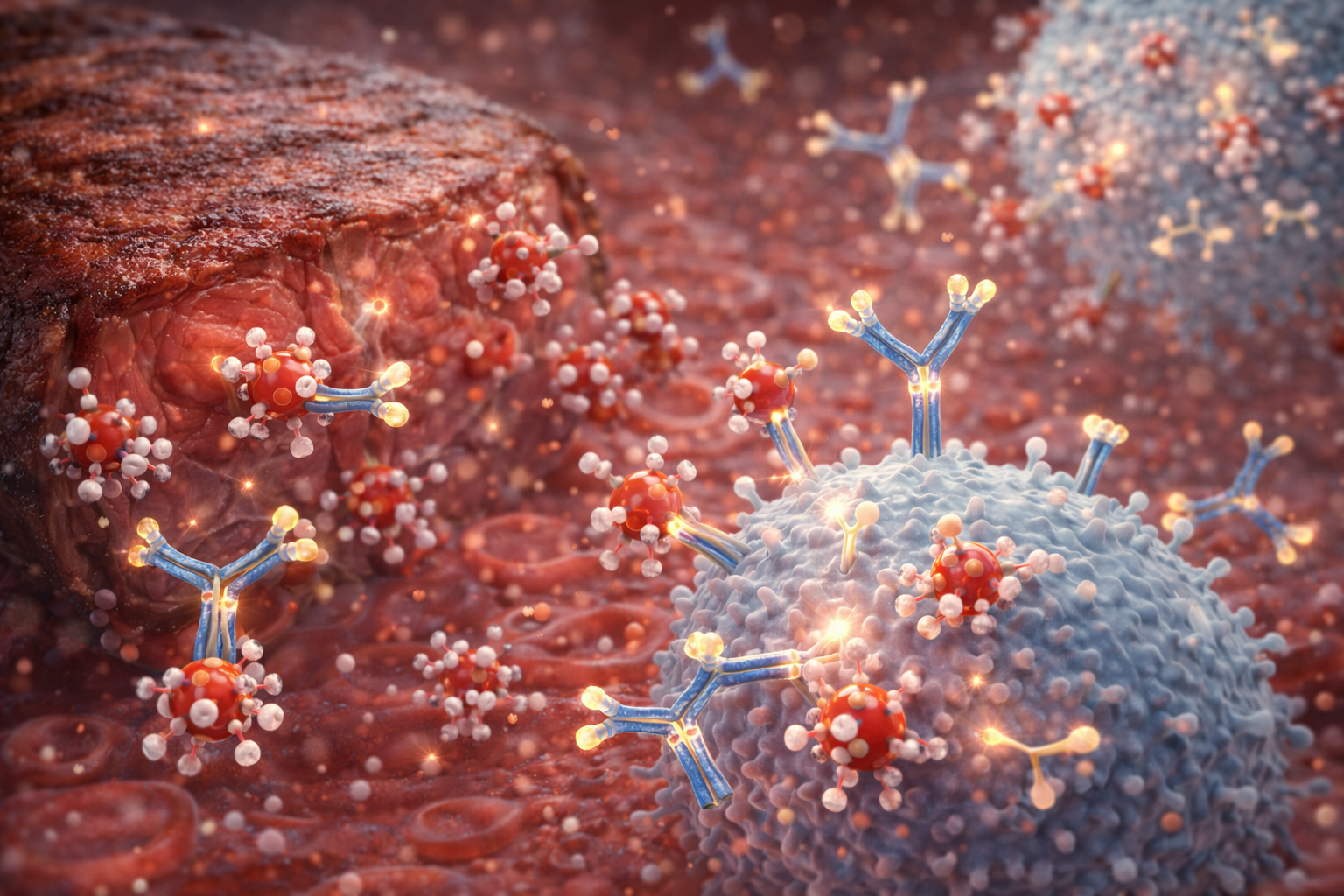
When the sensitized person consumes red meat or other products containing alpha-gal, the IgE antibodies immediately recognize and bind to the alpha-gal molecules.
Common Sources of Alpha-gal
Allergic Reaction Triggered
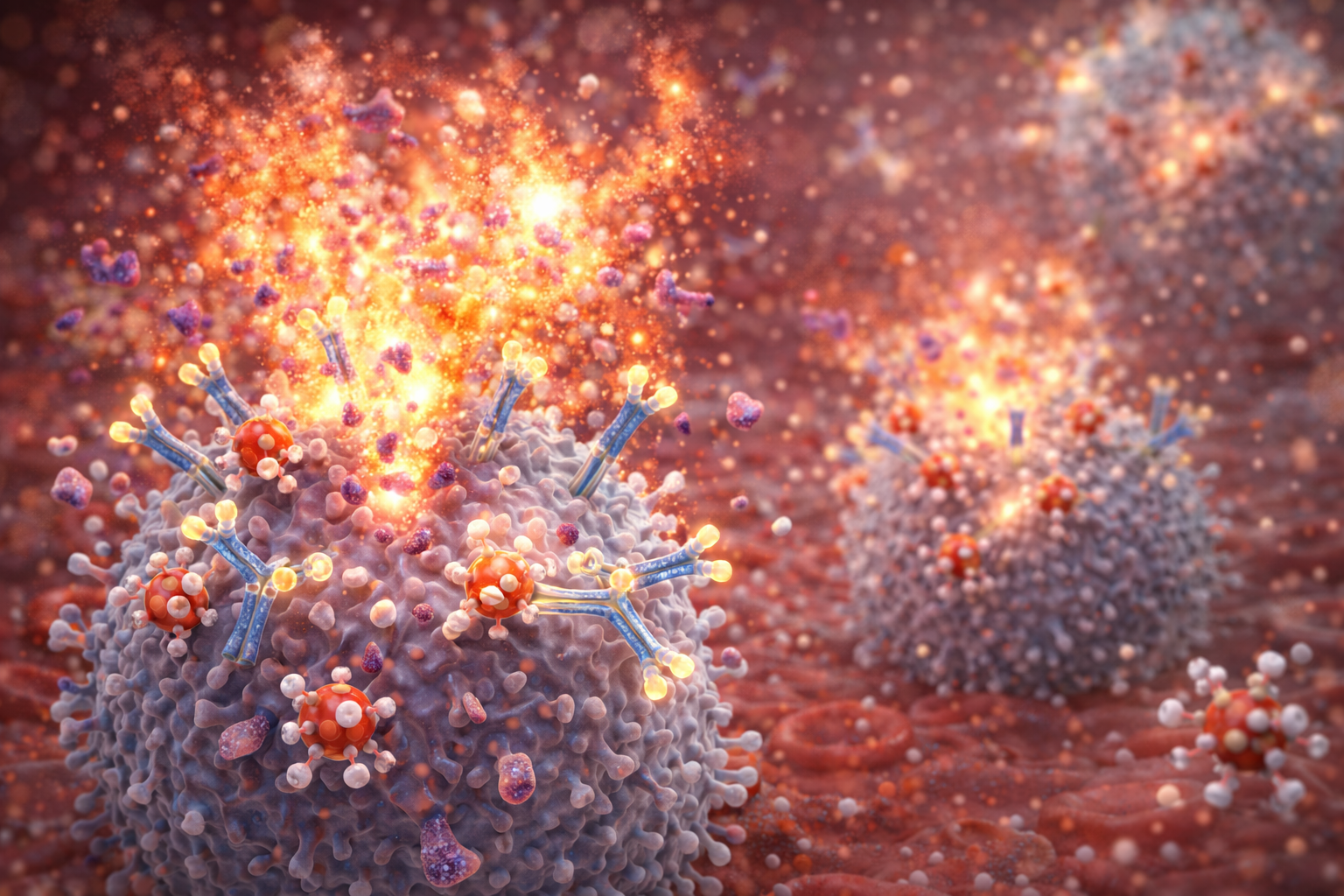
The binding of IgE antibodies to alpha-gal triggers mast cells to release histamine and other inflammatory chemicals, causing allergic symptoms.
Symptoms (3-6 hours after eating)
- Skin: Hives, itching, swelling
- GI: Nausea, vomiting, stomach cramps
- Respiratory: Difficulty breathing, wheezing
- Severe: Anaphylaxis (seek emergency care)
Important: Alpha-gal reactions are uniquely delayed (3-6 hours), unlike most food allergies that occur immediately.
The Complete Process
Understanding Alpha-Gal Syndrome
The journey from a tick bite to alpha-gal syndrome is a complex process involving the immune system, but understanding this mechanism is the first step toward effective management. By recognizing how tick bites can trigger this condition, you can take proactive steps to prevent exposure and manage symptoms if you've already been sensitized.
If you suspect you may have alpha-gal syndrome, especially after experiencing delayed reactions to red meat following a tick bite, it's important to consult with an allergist or healthcare provider for proper testing and diagnosis.
Join the Alpha-gal Club Community
Connect with others who understand your journey. Discover safe recipes, find alpha-gal friendly restaurants, and share your experiences.
Medical Disclaimer: This article is for educational purposes only and is not a substitute for professional medical advice. If you suspect you have alpha-gal syndrome or have experienced a tick bite, please consult with a qualified healthcare provider or allergist.